
Grenada Public Archaeology Network
Preserving Our Past
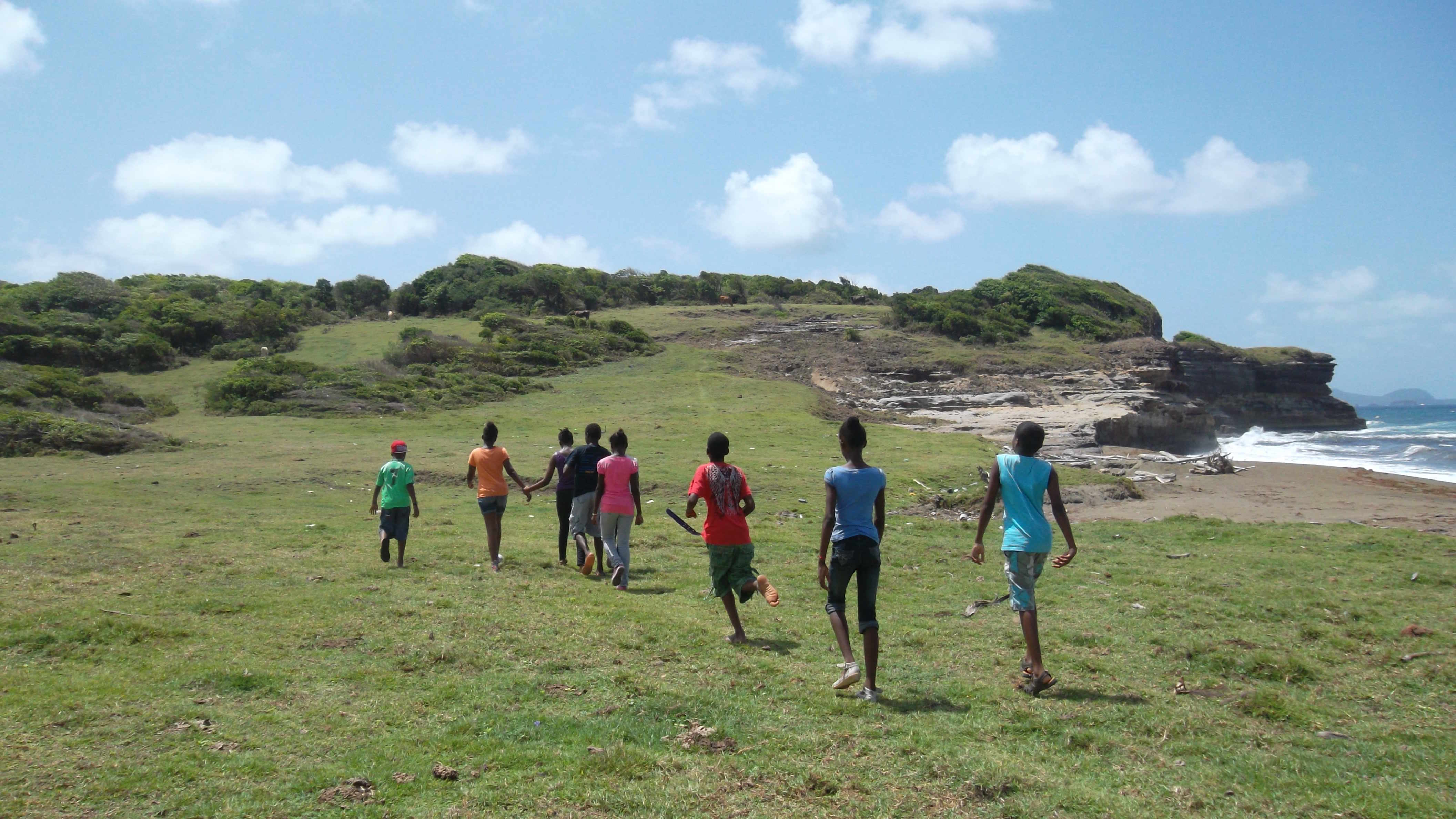
Community Stewardship
Empowering Our Communities
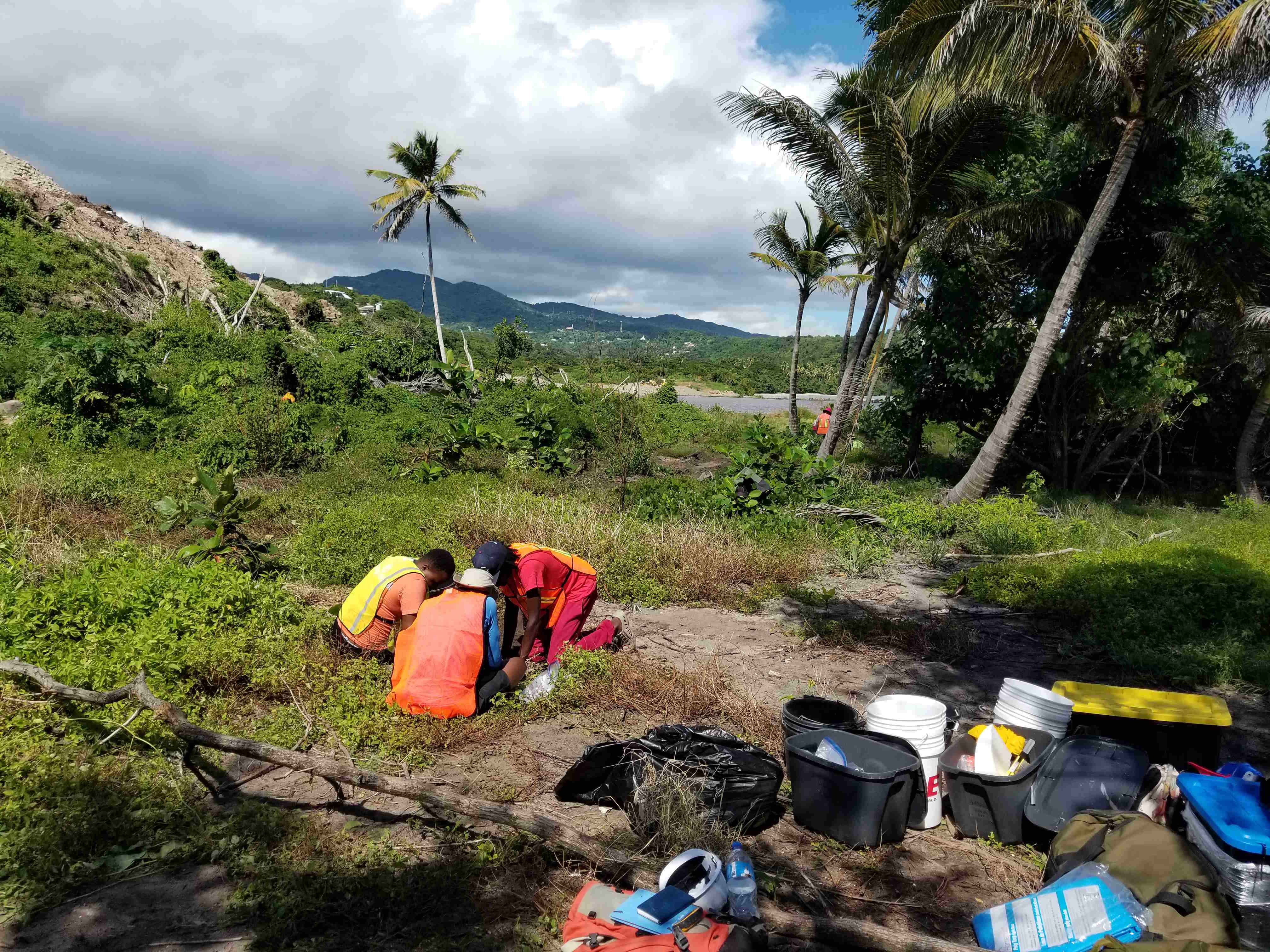
Cultural Heritage
Protecting History for the Future
Preserving Our Past
Empowering Our Communities
Protecting History for the Future
Preserving Our Past, Empowering Our Communities
Status: Official Non-Governmental Organization (Incorporated 2025)
Headquarters: St. George’s, Grenada
The Grenada Public Archaeology Network (GPAN) is the premier heritage management organization in the tri-island state, dedicated to documenting and protecting Grenada’s rich cultural legacy.
Originally conceived through a series of pilot projects beginning in 2011, GPAN was incorporated as an official NGO in 2025. We operate on a model of "Citizen Science," moving beyond the traditional academic model of foreign field schools to train local community members—specifically youth and young adults—to become the primary stewards of their history.
Our operational structure is inspired by successful public archaeology networks in Florida (FPAN) and the Dutch Caribbean (SABARC, SIMARC), bridging the gap between government, developers, and local communities.
To Improve Awareness
We educate the public about the value of Grenada’s pre-Columbian and historical resources to combat looting, vandalism, and the loss of oral history.
To Build Capacity
We expose youth and young adults to rigorous scientific inquiry, critical thinking, and archaeological methods, creating a local workforce skilled in heritage management.
To Protect Heritage
We maintain a network of local experts to report archaeological finds, conduct impact assessments, and monitor threatened sites in the face of climate change and development.
Grenada’s coastline holds the material record of over 2,000 years of human history. However, this heritage is under immediate threat.
GPAN evolved from three distinct community archaeology projects. These "proof of concept" initiatives have laid the groundwork for our permanent regional chapters.
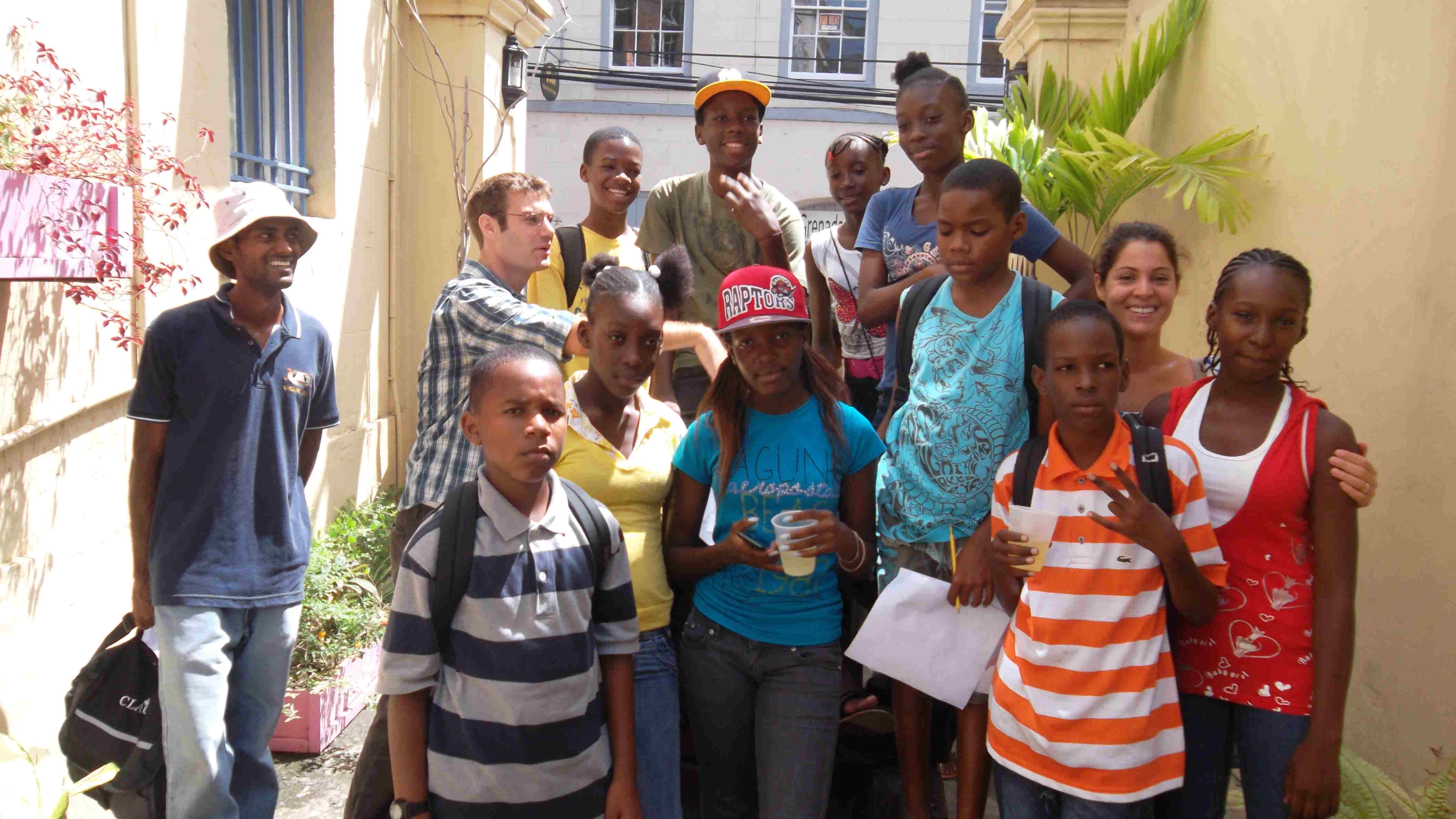
St. George’s Chapter
Origins: SGCAP (2011–2012)
The pilot prototype funded by the US Embassy. Students investigated the St. John’s River site in Queen's Park, recovering significant ceramics demonstrating a transition between Saladoid and Troumassoid cultures (AD 600–900).
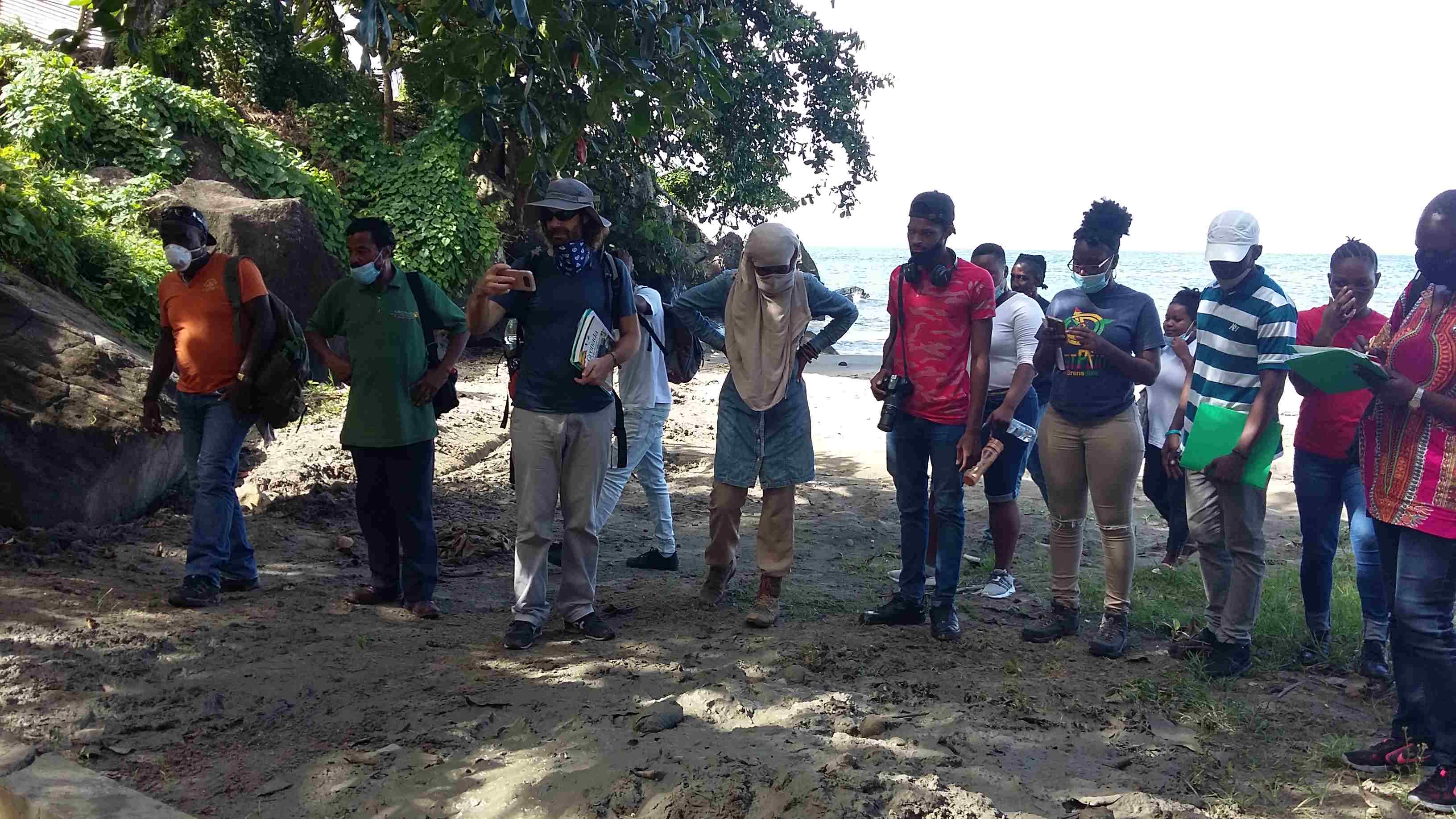
St. David Chapter
Origins: LCAP (2020)
Partnering with Range Developments, this project trained young adults to rescue data from resort construction. The team investigated Lance Pere Bay (GREN-D-25), identifying a settlement span from AD 245 to 1665.
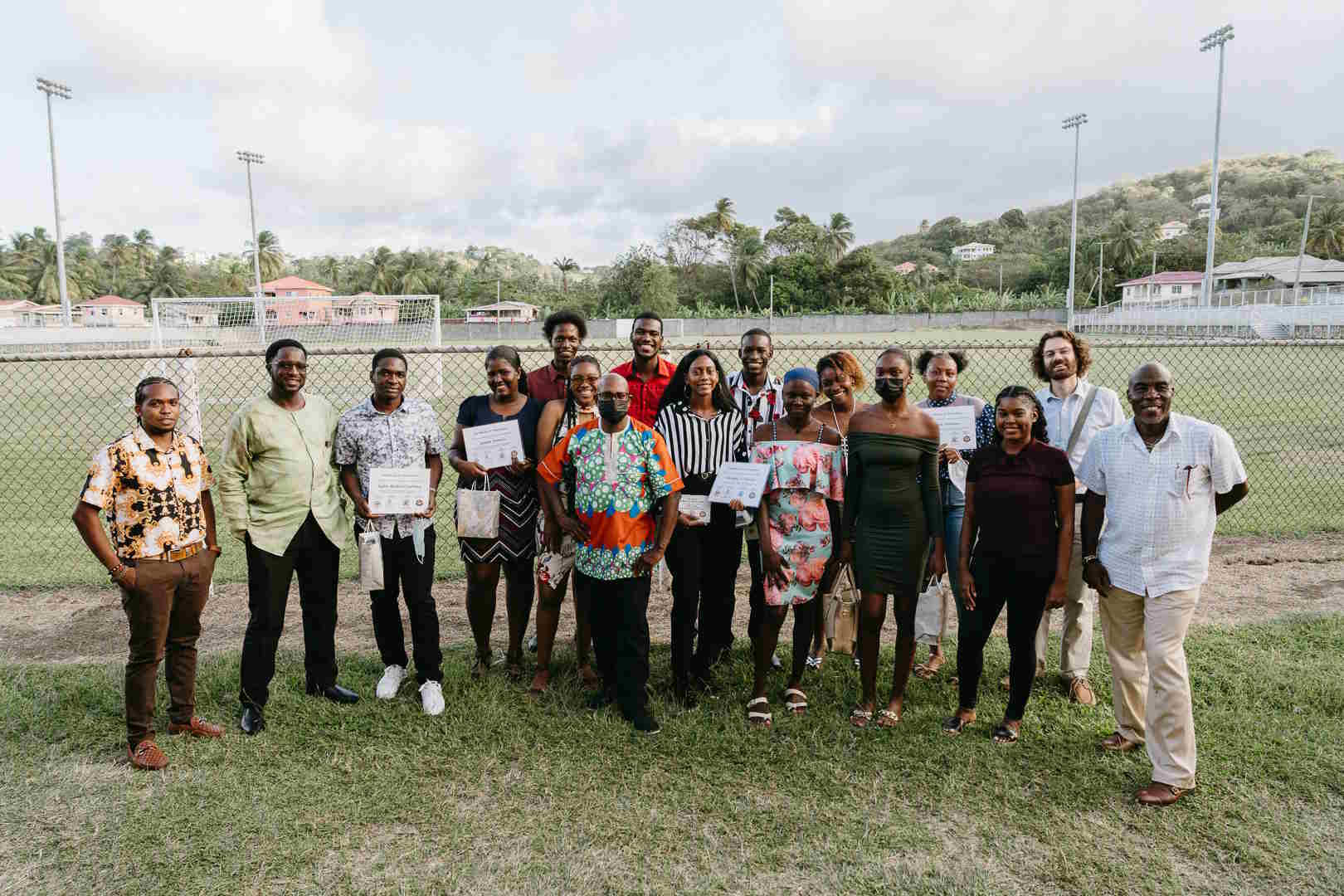
St. Patrick Chapter
Origins: SCHAP (2021–2022)
Supported by UNESCO, this project responded to the climate crisis at Sauteurs Bay. Participants conducted surveys identifying new site boundaries and demonstrated the power of community monitoring for at-risk coastal sites.
Snapshots from the field: SGCAP, LCAP, and SCHAP in action.
GPAN offers a comprehensive suite of services and educational programs:
With our 2025 incorporation, GPAN is moving from ad-hoc projects to permanent sustainability. Our goal is to maintain active chapters in St. George, St. David, and St. Patrick, acting as the bridge between local communities, the Grenada National Museum, and government ministries.
Join us in securing Grenada’s past for its future.
For further information about GPAN, please contact:
Director: Jonathan Hanna, Ph.D.
Email: [email protected]